 USD
USD GBP
GBP  CNY
CNY  EUR
EUR  INR
INR  JPY
JPY  MYR
MYR  ZAR
ZAR  KRW
KRW  THB
THB 


Antimicrobial Resistance Diagnostics Market, Global, 2024–2030
The Shift to Whole-genome Sequencing and Multiplex Point-of-care Testing is Driving Transformational Growth Due to Improved Speed, Accuracy, and High Throughput
19-Feb-2025
Global
Market Research
PFR3-01-00-00-00
HC_2025_1313
Report Summary: Antimicrobial Resistance Diagnostics Market
The global antimicrobial resistance diagnostics market (AMR diagnostics) is rapidly gaining prominence as a core pillar of the in vitro diagnostics market and the broader fight against antibiotic resistance. In 2024, the market generated revenue of $2.37 billion and is projected to surge to $3.37 billion by 2030, reflecting a robust CAGR of 6.0% during the forecast period.
Key Market Trends & Insights
- The base year growth rate was recorded at 5.5% in 2024, signaling strong ongoing demand for advanced diagnostic testing in both hospital and laboratory settings.
- The market is highly concentrated, with the top three global players accounting for 84.0% of total revenue, despite more than 28 competitors operating worldwide.
- The market is characterized by a moderate-to-high degree of technical change (rated 7/10), as innovation in molecular assays, point-of-care testing, and automation continues to reshape the competitive landscape.
- Strategic partnerships, speed, affordability, and reliability are central competitive factors, enhancing throughput and scalability across end-user verticals.
Market Size & Forecast
- 2024 Revenue: $2.37 billion
- 2030 Projected Revenue: $3.37 billion
- 2024–2030 CAGR: 6.0%
- Number of active competitors (2024): >28
- Market share of top three players: 84.0%
Market Overview -Antimicrobial Resistance Diagnostics Market
The antimicrobial resistance diagnostics market is witnessing rapid transformation as the global healthcare industry intensifies its fight against antibiotic resistance. Antimicrobial resistance (AMR) is now recognized as a top global health threat, as bacteria, viruses, and fungi evolve mechanisms to withstand existing drugs, rendering once-effective medications obsolete. The resulting drug-resistant infections pose serious risks, including increased rates of sepsis, longer hospitalizations, more severe health complications, and greater mortality. This growing crisis has catalyzed the demand for innovative in vitro diagnostics (IVD) solutions, which form the cornerstone of early detection and robust surveillance in the antibiotic resistance market.
Advanced IVD technologies encompassing both phenotypic and molecular tests are enabling faster and more accurate detection of resistant pathogens in clinical settings. These diagnostics are crucial for guiding targeted therapies, reducing unnecessary use of antibiotics, and ultimately containing outbreaks. The antimicrobial resistance surveillance market is expanding, driven by initiatives to improve detection capabilities across hospitals, clinics, and specialized diagnostic laboratories. Industry players are introducing integrated platforms that combine instruments, consumables, and advanced informatics, empowering healthcare providers to track resistance trends and implement effective infection control strategies.
Regionally, North America and Europe lead market adoption, benefiting from stronger healthcare infrastructures, favorable reimbursement scenarios, and proactive government support for AMR surveillance programs. However, the Asia-Pacific region is emerging as a dynamic growth frontier, propelled by rapidly increasing healthcare investments, expanding laboratory capacity, and the rising prevalence of multidrug-resistant infections. Meanwhile, markets in Latin America, the Middle East, and Africa are gradually scaling up their diagnostic reach through global partnerships and public health initiatives, though challenges around accessibility and affordability remain.
Key market drivers include increased awareness among healthcare professionals and the general public, regulatory mandates for AMR reporting, and evolving guidelines that prioritize diagnostics-driven antimicrobial stewardship. On the other hand, the market faces constraints such as the high cost of advanced diagnostic platforms, limited skilled workforce in developing regions, and complex regulatory frameworks delaying product launches.
Looking ahead through the 2025-2030 forecast, the antimicrobial resistance diagnostics market is expected to sustain robust growth, fueled by continual technological innovation, the integration of artificial intelligence in diagnostic algorithms, and rising investments from both private players and governmental organizations. Businesses that capitalize on the need for cost-effective, rapid, and integrated diagnostic solutions will find opportunities to lead in this evolving landscape, ensuring that the in vitro diagnostics market remains at the forefront of the global response to antimicrobial and antibiotic resistance.
Scope of Analysis - Antimicrobial Resistance Diagnostics Market
The scope of analysis for the antimicrobial resistance diagnostics market is centered around human health, emphasizing the urgent need for effective solutions in the antibiotic resistance market. This report examines both phenotypic and molecular in vitro diagnostics market technologies for accurate detection and surveillance, covering platforms such as matrix-assisted laser desorption ionization-time of flight (MALDI-TOF) mass spectrometry, infrared spectroscopy, and CRISPR-based assays. Detailed revenue forecasts and trend analysis are provided for hospitals, clinics, diagnostic labs, and other healthcare environments, positioning these diagnostics as essential tools in the antimicrobial resistance surveillance market.
Geographically, the report offers an in-depth assessment of major regions, including North America, Europe, Asia-Pacific, the Middle East and Africa, and Latin America, highlighting regulatory dynamics, adoption patterns, and competitive environments. Key opportunities are identified to help stakeholders build on market demand, sustain value, and maximize economic potential within the in vitro diagnostics market landscape. The analysis timeframe spans 2024 as a base year, with forecasts from 2025 to 2030, presented in US dollars, ensuring actionable insights for industry players, investors, and healthcare providers focused on tackling antimicrobial resistance.
Revenue Forecast: Antimicrobial Resistance Diagnostics Market
The antimicrobial resistance diagnostics market is experiencing robust revenue growth, underpinned by global demand for advanced diagnostic solutions in the antibiotic resistance market and a strong surge in the antimicrobial resistance surveillance market. In 2024, the in vitro diagnostics market for AMR registered a revenue of approximately $2.37 billion, with projections indicating growth to $3.37 billion by the end of 2030. This expansion is fueled by an anticipated compound annual growth rate (CAGR) of 6.0% for the period from 2024 to 2030, highlighting the sector's transformative momentum.
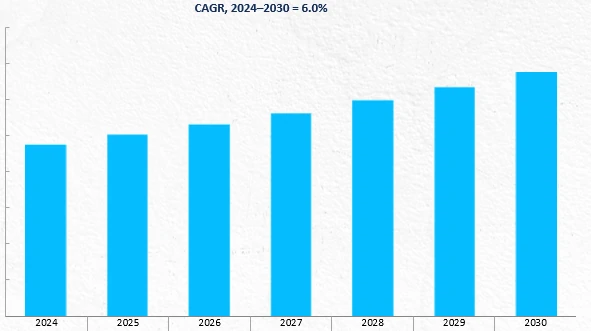
The market’s base year growth rate stands at 5.5%, reflecting accelerating investments and innovation in AMR-focused diagnostics and surveillance platforms. Notably, the increasing number of active competitors—exceeding 28 in 2024—demonstrates a dynamic and competitive landscape, while the top three providers collectively hold an impressive market share of 84.0%. The sector’s strong revenue outlook is further supported by a high degree of technical change, scored at 7 out of 10, as rapid technological advances in molecular and phenotypic detection continue to drive adoption.
Overall, the antimicrobial resistance diagnostics market is on a clear upward trajectory, with revenue forecasts being shaped by technological, regulatory, and epidemiological drivers across the antibiotic resistance and in vitro diagnostics sectors.
Segmentation Analysis - Antimicrobial Resistance Diagnostics Market
The antimicrobial resistance diagnostics market is strategically segmented into phenotypic tests and molecular tests, representing the two main pillars of technological advancement within the antibiotic resistance market. This segmentation directly enhances both the precision and speed at which healthcare professionals can identify and respond to antimicrobial resistance, supporting robust antimicrobial resistance surveillance market initiatives and driving overall growth within the in vitro diagnostics market.
Phenotypic tests utilize culture-based methods to assess the ability of bacteria to survive in the presence of antibiotics. These methods commonly include agar dilution, gradient tests, disk diffusion, and various broth microdilution susceptibility assays. As a traditional cornerstone of the antimicrobial resistance diagnostics market, phenotypic systems like VITEK 2 COMPACT (bioMérieux), Sensititre ARIS 2X (Thermo Fisher), MicroScan Walkaway plus (Beckman Coulter), BD Phoenix (Becton, Dickinson and Company), and PA-100 System (Sysmex) remain critical for confirming resistance, especially when used for regulatory reporting and surveillance purposes. The reliability and widespread validation of these platforms ensure confidence among users in both hospital and laboratory environments, strengthening the backbone of the in vitro diagnostics market.?
Molecular tests, by contrast, focus on detecting genes or mutations linked to resistance, either from purified isolates or directly from clinical samples. These approaches include PCR amplification, isothermal nucleic acid amplification, and highly advanced next-generation sequencing (NGS) technologies. Key platforms in this segment—such as GeneXpert (Cepheid), BioFire FilmArray (bioMérieux), cobas systems (Roche), QIAsymphony (QIAGEN), and T2Dx (T2 Biosystems)—drive rapid, sensitive, and targeted detection, providing high clinical and operational value in outbreak response and point-of-care settings. The continual advancement of molecular diagnostics forms the vanguard of innovation in the antimicrobial resistance surveillance market, allowing earlier intervention and more tailored therapy selections in clinical workflows.
Taken together, both phenotypic and molecular segments underpin the future trajectory of the antimicrobial resistance diagnostics market, enabling comprehensive surveillance, swift detection, and actionable data-driven decisions that fortify the antibiotic resistance market and the evolving landscape of in vitro diagnostics.
Growth Drivers: Antimicrobial Resistance Diagnostics Market
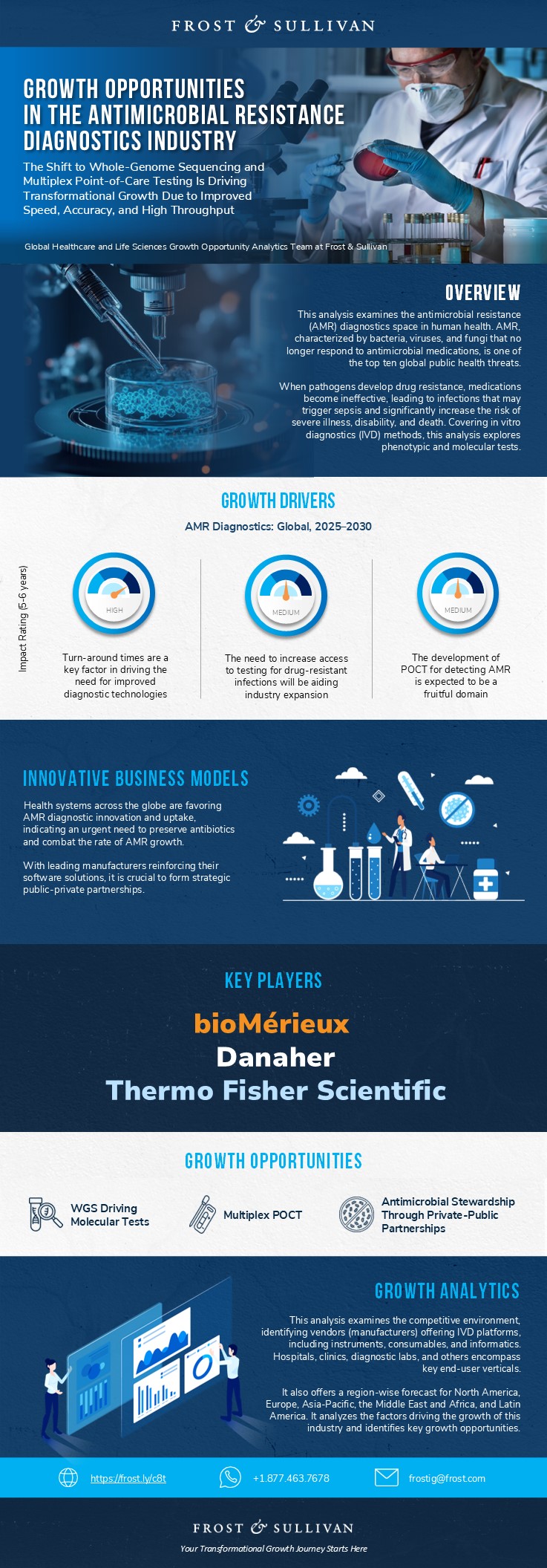
Several powerful factors are driving the growth of the antimicrobial resistance diagnostics market, significantly impacting the antibiotic resistance market, antimicrobial resistance surveillance market, and the in vitro diagnostics market. A key driver is the adoption of improved diagnostic technologies that overcome the limitations of traditional culture-based infection detection, which often have long turnaround times and can delay effective targeted treatment. Innovations such as microfluidics, mass spectrometry, polymerase chain reaction (PCR), and next-generation sequencing (NGS) are transforming both the speed and accuracy of pathogen identification, enabling earlier intervention and better outcomes for patients.
Additionally, the pandemic-induced decline in tested isolates highlighted the importance of robust antimicrobial resistance surveillance systems, pushing countries to invest in expanded testing for multidrug-resistant infections including third-generation cephalosporin-resistant E. coli, methicillin-resistant Staphylococcus aureus, and other major resistant pathogens. This heightened awareness accelerates market expansion and strengthens health system preparedness.
The emergence of point-of-care testing (POCT) platforms for AMR detection is poised to revolutionize the antimicrobial resistance diagnostics market. Cartridge-based rapid tests capable of detecting resistance and performing antimicrobial susceptibility testing (AST) within 30 minutes not only enable faster clinical decision-making, but also facilitate judicious antimicrobial use across healthcare settings. Collectively, these growth drivers are set to deliver medium to high impact over the next five years, securing the market’s upward trajectory.
Growth Restraints: Antimicrobial Resistance Diagnostics Market
The antimicrobial resistance diagnostics market faces several critical growth restraints that hinder the widespread adoption of cutting-edge solutions within the antibiotic resistance market, antimicrobial resistance surveillance market, and the in vitro diagnostics market. One of the most pressing barriers is affordability, particularly for healthcare systems in low- and middle-income countries. Molecular diagnostic tests, though advanced, are significantly pricier than phenotypic alternatives on a per-test basis. This price disparity means that unless health systems are prepared to cover the costs, many patients—especially those with limited financial resources—may be pushed toward generic, less-targeted antibiotic therapies, undermining the value of diagnostic-guided treatment. The economic pressure on healthcare providers to balance cost and clinical efficacy poses a persistent, high-impact challenge over the next five years.
Another major restraint is inadequate funding for research and development (R&D) in the field of AMR diagnostics. There is nearly three times less global R&D investment in diagnostics than in AMR therapeutics, slowing the implementation of innovative technologies and leaving important diagnostic needs unmet. This funding gap is especially evident across the “One Health” spectrum, with a disproportionate focus on bacterial pathogen diagnostics—94% of investments—leaving fungal infection testing underrepresented. These funding deficiencies significantly impede the market’s ability to deliver new solutions at scale, holding back progress in the global fight against antimicrobial resistance.
Competitive Environment: Antimicrobial Resistance Diagnostics Market
The competitive landscape of the antimicrobial resistance diagnostics market is marked by a dynamic interplay of innovation, consolidation, and intense rivalry among over 28 active competitors, each reporting revenues above $2.0 billion. This robust market structure is shaped by the rising demands of the antibiotic resistance market and the increasing adoption of swift, dependable solutions in the antimicrobial resistance surveillance market and in vitro diagnostics market.
Key competitive factors driving this market include speed, affordability, accuracy, throughput, reliability, scalability, and the formation of strategic partnerships. In pursuit of technological advantage and market expansion, leading companies constantly upgrade their diagnostic platforms—an essential asset in hospitals, clinics, and diagnostic laboratories where rapid detection of resistance is paramount. End-user industry verticals are primarily centered on healthcare providers, with growing penetration in outpatient clinics and reference labs that require efficient, high-throughput testing capabilities for ongoing surveillance and clinical management.
Within this competitive environment, market leadership is notably concentrated. Industry frontrunners such as bioMérieux, Danaher, and Thermo Fisher Scientific collectively account for 84.0% of total revenue share as of 2024, illustrating the presence of dominant players with significant influence over pricing, distribution, and innovation. Alongside these, other notable competitors—Bruker, Bio-Rad Laboratories, Becton Dickinson and Company, Sysmex, and Accelerate Diagnostics—play a key role in broadening the reach and depth of the antimicrobial resistance diagnostics market.
Distribution strategies reflect modern buying preferences and the need for rapid supply access, with a balanced mix of original equipment manufacturer (OEM) channels and robust online sales infrastructure. This hybrid approach enhances market penetration across geographically dispersed healthcare settings, further enabling the adoption of advanced AMR detection tools.
The industry is also characterized by frequent mergers and acquisitions, as leading companies seek to secure technological capabilities, enter new markets, and diversify product portfolios. Recent landmark deals include bioMérieux’s acquisition of LUMED and Specific Diagnostics; Sysmex’s purchase of Astrego Diagnostics; Hologic’s integration of Mobidiag; Diasorin’s acquisition of Luminex; and Roche’s acquisition of GenMark. These consolidations underscore the importance of continuous innovation and strategic collaboration in maintaining competitiveness amid evolving clinical needs and regulatory requirements in the antibiotic resistance and in vitro diagnostics market landscapes.
Scope of Analysis
Segmentation
Why is it Increasingly Difficult to Grow?
The Strategic Imperative 8™
The Impact of the Top 3 Strategic Imperatives on the AMR Diagnostics Industry
Competitive Environment
Key Competitors
Growth Metrics
Growth Drivers
Growth Restraints
Forecast Considerations
Revenue Forecast
Revenue Forecast by Product
Revenue Forecast by Region
Revenue Forecast Analysis
Pricing Trends and Forecast Analysis
Revenue Share
Competitor Matrix—Product Portfolio Analysis
Revenue Share Analysis
Growth Metrics
Revenue Forecast
Revenue Forecast by Region
Forecast Analysis
Growth Metrics
Revenue Forecast
Revenue Forecast by Region
Forecast Analysis
Growth Opportunity 1: WGS Driving Molecular Tests
Growth Opportunity 2: Multiplex POCT
Growth Opportunity 3: Antimicrobial Stewardship Through Private-Public Partnerships
Benefits and Impacts of Growth Opportunities
Next Steps
Legal Disclaimer
 List of Figures
- AMR Diagnostics: Growth Metrics, Global, 2024–2030
- AMR Diagnostics: Growth Drivers, Global, 2025–2030
- AMR Diagnostics: Growth Restraints, Global, 2025–2030
- AMR Diagnostics: Revenue Forecast, Global, 2024–2030
- AMR Diagnostics: Revenue Forecast by Product, Global, 2024–2030
- AMR Diagnostics: Revenue Forecast by Region, 2024–2030
- AMR Diagnostics: Revenue Share of Top Participants Estimates, Global, 2024
- Phenotypic Tests: Growth Metrics, Global, 2024–2030
- Phenotypic Tests: Revenue Forecast, Global, 2024–2030
- Phenotypic Tests: Revenue Forecast by Region, 2024–2030
- Molecular Tests: Growth Metrics, Global, 2024–2030
- Molecular Tests: Revenue Forecast, Global, 2024–2030
- Molecular Tests: Revenue Forecast by Region, 2024–2030
Frequently Asked Questions (FAQ) – Antimicrobial Resistance Diagnostics Market, 2024–2030
1. What is the current and projected size of the global antimicrobial resistance diagnostics market?
2. What diagnostic technologies are propelling market growth?
3. Who are the leading competitors in the antimicrobial resistance diagnostics market?
4. Which regions are the largest and fastest-growing in this market?
5. What is driving demand in the antimicrobial resistance diagnostics industry?
6. What are the most significant restraints for the market?
7. What is the degree of market concentration?
8. What trends are shaping the future of AMR diagnostics?
9. What is the outlook for market growth rate?
10. Why is AMR diagnostics critical for healthcare?
Speak directly with our analytics experts for tailored recommendations.
Recent related In Vitro Diagnostics (IVD) research
16 Oct 2026 | Global | Technology Research
Innovations and Growth Opportunities in Precision Therapeutics, AI-Enabled Discovery and Bioengineering, Regenerative Medicine, and Next-Generation Vaccine Platforms
This edition of the Life Science, Health & Wellness Technology Opportunity Engine (TOE) provides a comprehensive overview of breakthrough innovations transforming precision therapeutics, regenerative medicine, AI-enabled discovery, laboratory automation, targeted delivery, vaccines, and biomanufactu...
18 Sep 2026 | Global | Frost Radar
Frost Radar™: Life Sciences Laboratory Information Management Systems, 2026
Laboratory information management systems (LIMS) have been used in life sciences since laboratories began digitizing sample tracking and data management in the 1970s. Modern LIMS solutions enhance efficiency by automating workflows, improving data accuracy, and enabling seamless integration and offe...
18 Sep 2026 | Global | Technology Research
Innovations and Growth Opportunities in AI-Enabled Discovery and Diagnostics, Precision Therapeutics, and Next-Generation Vaccine Platforms
This edition of the Life Science, Health & Wellness Technology Opportunity Engine (TOE) provides a comprehensive overview of breakthrough innovations transforming AI-enabled discovery, precision diagnostics, cell engineering, targeted therapeutics, vaccines, and skin health across oncology, metaboli...
27 Aug 2026 | Global | Frost Radar
Frost Radar: AI-Powered Molecular Diagnostics, 2026
AI-powered molecular diagnostics is an emerging and moderately fragmented industry that includes molecular diagnostics companies, precision medicine platforms, sequencing specialists, AI-driven analytics providers, and disease-focused biotechnology companies. No single company has dominated, present...
25 Aug 2026 | Global | Technology Research
Breakthrough Innovations in Point-of-Care Diagnostics
This research analyzes how point-of-care (PoC) diagnostics is evolving from simple tests to decentralized, connected, and clinically actionable testing platforms across hospitals, outpatient settings, homes, and pharmacies.The study assesses key technology shifts, including rapid molecular testing, ...
Purchase includes:
- Report download
- Growth Dialog™ with our experts
Growth Dialog™
A tailored session with you where we identify the:- Strategic Imperatives
- Growth Opportunities
- Best Practices
- Companies to Action
Impacting your company's future growth potential.