 USD
USD GBP
GBP  CNY
CNY  EUR
EUR  INR
INR  JPY
JPY  MYR
MYR  ZAR
ZAR  KRW
KRW  THB
THB 


Class 1-3 Select Battery Thermal Management Components Aftermarket, Europe, 2024–2035
The Battery Thermal Management Aftermarket in the PV and LCV Segments is Experiencing Transformational Growth due to Increasing EV Penetration and an Aging Fleet
28-Nov-2025
Europe
Market Research
MHD1-01-00-00-00
AU_2025_34144
Report Summary: Europe Battery Thermal Management System Market
The Europe Class 1–3 battery thermal management components aftermarket was valued at €92 million in 2024 and is projected to reach €1.80 billion by 2035, expanding at a CAGR of 31.4% over the forecast period. This steep growth trajectory is supported by rapid expansion of the regional EV parc and the increasing complexity of EV thermal architectures. As Europe transitions toward long-range battery-electric vehicles, the adoption of multi-loop cooling networks and more thermally active subsystems is significantly elevating demand for replacement pumps, valves, and high-voltage heating components. Continuous operation of thermal systems to maintain optimal temperatures for batteries, inverters, onboard chargers, and cabin comfort is raising component stress levels, accelerating wear rates, and strengthening aftermarket potential across the region.
Key Market Trends & Insights
• Germany, the United Kingdom, and France accounted for the largest share of component replacement activity in 2024.
• High-voltage cabin heaters (HVCH) face intense thermal cycling in colder climates, resulting in higher failure frequency and strong replacement demand.
• Electric coolant pumps and coolant control valves are among the most frequently replaced components due to sustained operating loads in integrated thermal loops.
• Growth in post-warranty EV populations is shifting demand toward independent aftermarket (IAM) channels as service expertise and parts availability expand.
• Increasing adoption of heat pump–based HVAC systems is adding more thermally active components, amplifying long-term replacement opportunities.
Market Size & Forecast (With CAGR)
• 2024 Market Size: €92 Million
• 2035 Projected Market Size: €1.80 Billion
• CAGR (2024–2035): 31.4%
• Germany: Largest Aftermarket in 2024
• United Kingdom & France: Fastest-Growing Markets through 2030
• Nordic Countries: Highest HVCH failure and replacement intensity
The ongoing electrification of Europe’s light-duty vehicle fleet—combined with increasing thermal system integration, harsher operating profiles, and a maturing EV ownership cycle—is creating a robust and sustained aftermarket demand environment. Replacement frequency for pumps, heaters, and valves is expected to rise sharply as EVs age, positioning battery thermal management components as one of the most dynamic and fastest-growing segments within the European automotive aftermarket.
Market Overview & Trends: Europe Battery Thermal Management System Market
Europe’s transition to electric mobility is redefining the structure and growth trajectory of the battery thermal management system market, particularly in the Class 1–3 light-duty vehicle segment. Unlike traditional ICE engine cooling systems, EV thermal architectures must maintain temperature balance across multiple interdependent subsystems, including battery packs, onboard chargers, DC-DC converters, traction inverters, and electric motors. This creates continuous-duty operation for electric coolant pumps and increases the cycling load on coolant control valves, intensifying long-term component wear.
The rise of multi-loop cooling architectures is a notable trend reshaping the aftermarket. Thermal loops that once operated independently—battery cooling, power electronics cooling, cabin heating—are now increasingly integrated, creating a single, more complex system responsible for optimizing energy efficiency and component longevity. This integrated architecture places steady demand on pumps and valves, accelerating replacement needs and contributing to robust growth in the Automotive Thermal Management System Market.
Another significant trend is the increasing adoption of heat pump–based HVAC systems, which reduce energy consumption but introduce more thermally active components exposed to stress. Heat pump valves, actuators, and coolant routing subsystems operate continuously, especially in moderate and cold climates, making them high-potential replacement parts.
The EV Thermal System Market is expected to see heightened replacement volumes as European EV fleets age. The earliest mass-market EVs sold between 2017 and 2021 are now exiting warranty periods, transferring maintenance responsibility from OEM networks to IAM service providers. As these vehicles enter mid-life stages (Years 5–10), failures of pumps, HVCH units, and coolant control valves become more frequent.
Another trend is regional diversification of demand. Germany and the UK continue to lead in overall replacement activity due to their large EV populations. Meanwhile, France, Italy, and Spain are experiencing accelerating adoption, with growing networks of EV-certified workshops increasing aftermarket readiness.
Overall, the European aftermarket is poised for sustained expansion as electrification deepens, EV systems grow more thermally demanding, and consumer awareness of thermal component upkeep continues to rise.
Revenue & Spending Forecast: Europe Battery Thermal Management System Market
The Europe Class 1–3 battery thermal management components aftermarket generated €92 million in 2024 and is projected to reach €1.80 billion by 2035, reflecting an exceptionally steep expansion trajectory with an estimated CAGR of 31.4%. This growth curve represents one of the fastest among all segments within the region’s EV-related component ecosystem. The surge is supported by rapid EV fleet expansion, increasing adoption of multi-loop thermal systems, and higher component duty cycles associated with long-range EV architectures.
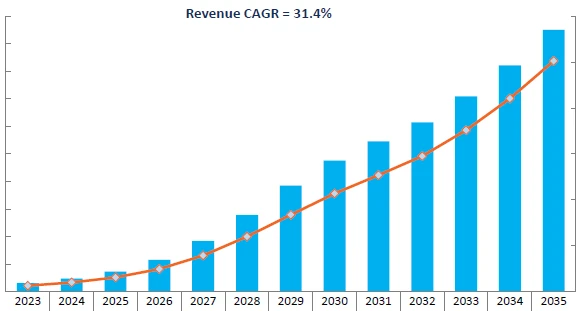
Growing climatic variability across European markets further contributes to the accelerating replacement cycle for thermal components. Cold-weather markets—such as the Nordics, Germany, and the United Kingdom—generate elevated HVCH failure and replacement volumes due to repeated, intense thermal cycling. Meanwhile, southern European climates place sustained cooling loads on electric coolant pumps and coolant control valves, especially during extended high-temperature driving seasons.
The forecast outlook also aligns with long-term trends in the broader Automotive Thermal Management System Market, where OEMs are transitioning toward highly integrated thermal networks and more stringent efficiency thresholds. As these systems age, their continuous year-round operation increases wear, thereby expanding long-term aftermarket demand.
Fast-charging proliferation serves as an additional catalyst. High-rate charging intensifies heat generation within battery cells, raising stress on pumps, heat exchangers, and valves responsible for coolant flow management. This dynamic contributes significantly to component degradation and shorter replacement intervals.
Overall, the 2024–2035 market projection indicates sustained, high-growth potential for Europe’s battery thermal management system market. The combination of maturing EV fleets, expanding IAM (independent aftermarket) participation, and the technical complexity of next-generation thermal architectures ensures that replacement demand will continue to accelerate throughout the forecast horizon.
Scope of Analysis: Europe Battery Thermal Management System Market
This analysis focuses on the Class 1–3 battery thermal management components aftermarket across Europe between 2024 and 2035, encompassing replacement trends, component lifecycles, technology evolution, and distribution channel dynamics. It covers major European markets including Germany, the United Kingdom, France, Spain, and Italy—regions that collectively represent Europe’s most mature and fastest-growing EV fleets.
The analysis includes electric coolant pumps, high-voltage cabin heaters (HVCH), and electronically controlled coolant valves, as these components form the core of the region’s battery thermal management system market and exhibit the highest sensitivity to thermal cycling stress. These components see continuous duty due to EVs’ reliance on precise thermal control across batteries and power electronics.
The scope also examines OEM service networks and independent aftermarket (IAM) channels, assessing their roles in component replacement, pricing, supply-chain structure, and post-warranty EV servicing. While the analysis aligns with broader trends in the Automotive Thermal Management System Market, it maintains strict adherence to Europe’s light-duty EV aftermarket landscape.
No segmentation-based revenue distribution is included, as the goal is to preserve qualitative depth while adhering to aftermarket-only market structure. The scope reflects a holistic view of technological, climatic, and fleet-based factors that influence the EV Thermal System Market and determine replacement cycles across Europe.
Market Segmentation Analysis: Europe Battery Thermal Management System Market
a. By Component Type
Electric Coolant Pumps:
These pumps manage continuous thermal circulation across battery and power electronics loops. Their constant operation—often independent of vehicle motion—creates high wear, making them top contributors to aftermarket replacement volume. Multi-loop systems elevate flow-rate demands, reinforcing pump stress and necessity within the regional battery thermal management system market.
High-Voltage Cabin Heaters (HVCH):
HVCH units substitute for the waste heat unavailable in EVs. They experience extreme load cycles during winter months, especially in Nordic and Central European markets. Their failure rates rise sharply after Year 5, driving notable growth within the broader EV Thermal System Market.
Coolant Control Valves:
Modern EVs rely on electronically actuated valves to manage temperature flow across integrated circuits. Their high cycling frequency exposes them to mechanical and thermal fatigue, leading to growing replacement need.
b. By Vehicle Class (Class 1–3 EVs)
The aftermarket is driven entirely by Class 1–3 passenger cars and small vans, representing the largest share of Europe’s EV adoption. These segments typically accumulate high mileage, which accelerates thermal component failure. As vehicle classes optimize battery density and thermal uniformity, the Automotive Thermal Management System Market sees tighter alignment with real-world wear profiles.
c. By Service Channel (OEM vs IAM)
OEM networks dominate replacements during warranty years, particularly for high-voltage components requiring specialized equipment. However, IAM penetration is rapidly increasing due to:
- Improved access to quality replacement parts
- EV-specific diagnostic training
- Lower repair and component costs
- Expanded workshop certification across Germany, France, and the UK
As EVs increasingly exit warranty coverage, IAM channels gain a stronger foothold, shaping long-term growth in the Class 1–3 battery thermal management system market.
Growth Drivers: Europe Battery Thermal Management System Market
Growth Drivers: Europe Battery Thermal Management System Market Europe’s battery thermal management aftermarket is expanding due to several structural growth drivers.
1. Rapid EV Adoption:
A fast-growing EV fleet increases the installed base of thermal components. Continuous coolant circulation, battery conditioning, and power electronics management accelerate wear on pumps and valves, expanding aftermarket opportunities.
2. Thermal Architecture Complexity:
Multi-loop systems require more components operating under higher loads, increasing replacement frequency. This trend deepens the integration between the aftermarket and the broader Automotive Thermal Management System Market.
3. Cold Climate Stress:
HVCH units face extreme thermal cycling in winter, particularly in Nordic regions, accelerating their replacement cycles.
4. Fast-Charging Heat Load:
Frequent DC fast charging increases thermal strain on batteries and electronics, raising pump and valve duty cycles.
5. Post-Warranty Volume Growth:
Early-generation EVs are exiting warranty periods, shifting maintenance responsibility to IAM networks and strengthening the battery thermal management system market.
6. Regulatory Acceleration:
Europe’s electrification incentives and CO? fleet targets fuel rapid EV penetration, guaranteeing long-term aftermarket volume.
These combined forces create strong momentum for the EV Thermal System Market, as systems become more demanding and component aging accelerates.
Growth Restraints: Europe Battery Thermal Management System Market
Despite strong growth momentum, several restraints challenge the aftermarket’s expansion.
1. Young EV Parc:
Many EVs are still under warranty, limiting IAM access to early replacement cycles and concentrating demand within OEM networks.
2. Limited IAM Component Availability:
High-voltage parts such as HVCH units require specialized manufacturing, which some IAM suppliers are still developing.
3. Increasing System Integration:
As OEMs consolidate thermal loops, components become more specialized and complex, making replacement more difficult and favoring OEM service centers.
4. Low Consumer Awareness:
EV owners often do not recognize thermal system maintenance needs, delaying component replacements.
5. High-Voltage Training Requirements:
Workshops require certification to handle HV components safely, slowing aftermarket expansion in some regions.
6. Component Cost Sensitivity:
Inflationary pressures or material shortages can limit replacement purchases.
Together, these factors temper near-term growth, even as strong structural demand persists within Europe’s expanding battery thermal management system market and EV Thermal System Market.
Competitive Landscape: Europe Battery Thermal Management System Market
The competitive landscape features a dynamic mix of OEM service networks, global component suppliers, and a rapidly maturing IAM ecosystem. OEM networks maintain strong early control because EVs remain under warranty for the first several years of life, especially for complex high-voltage components such as HVCH units and advanced coolant valves.
However, IAM suppliers are gaining ground as EV fleets age. Germany, France, and the UK have seen rapid certification of independent workshops, enabling broader competition. IAM players are investing in electric pump remanufacturing, aftermarket-grade HVCH design, and multi-loop diagnostic technologies, reshaping competition in the Automotive Thermal Management System Market.
Component manufacturers that traditionally supplied ICE cooling systems are now pivoting to EV platforms, expanding their product portfolios toward advanced electric pumps, actuated valves, and thermal control modules. Partnerships between component makers and IAM distributors are also accelerating market penetration.
Competition is further intensified by digitalization—predictive maintenance platforms and remote diagnostic tools help identify failing thermal components earlier, increasing replacement accuracy and aftermarket loyalty.
As EV fleets continue to mature, IAM networks are expected to capture a larger share of the battery thermal management system market, reducing OEM dominance and creating a more balanced market landscape.
Scope of Analysis
Segmentation
Why is it Increasingly Difficult to Grow?
The Strategic Imperative 8
The Impact of the Top 3 Strategic Imperatives on the Class 1-3 Battery Thermal Management Industry
Value Chain
Competitive Environment
Key Competitors Operating in the European BTM Aftermarket
Growth Metrics
Key Findings
Growth Drivers
Growth Restraints
Forecast Considerations
Revenue and Unit Shipment Forecast
Revenue Forecast by Product
Revenue Forecast by Region
Revenue Forecast Analysis
Unit Shipment Forecast by Product
Unit Shipment Forecast by Region
Unit Shipment Analysis
Overall Pricing
Pricing Trends and Forecast Analysis
Distribution Channel Analysis
Revenue Share
Revenue Share Analysis
Growth Metrics
Revenue and Unit Shipment Forecast
Unit Shipment Forecast by Region
Revenue Forecast by Region
Price Analysis—Electric Water Pumps
Forecast Analysis
Growth Metrics
Revenue and Unit Shipment Forecast
Unit Shipment Forecast by Region
Revenue Forecast by Region
Price Analysis—HVCHs
Forecast Analysis
Growth Metrics
Revenue and Unit Shipment Forecast
Unit Shipment Forecast by Region
Revenue Forecast by Region
Price Analysis—Coolant Control Valves
Forecast Analysis
3 Big Predictions
Growth Opportunity 1: Diversify into the Chinese EV Market
Growth Opportunity 2: Form Strategic Partnerships with Specialized EV Workshops
Growth Opportunity 3: Focus R&D Investments on Efficient, Quiet, and Connected Solutions
Benefits and Impacts of Growth Opportunities
Next Steps
List of Exhibits
Legal Disclaimer
Frequently Asked Questions (FAQ) – Europe Class 1–3 Battery Thermal Management Components Aftermarket
1. What is the Europe Class 1–3 battery thermal management components aftermarket?
2. What is the size of this aftermarket?
3. Which components experience the highest replacement rates?
4. Which countries lead demand for thermal management components?
5. What factors are driving aftermarket growth?
6. How does cold climate affect HVCH and pump replacements?
7. When does IAM gain strong share in the aftermarket?
8. How does fast charging impact thermal component replacements?
9. Why are thermal systems more maintenance-intensive in EVs?
10. What is the long-term outlook for this aftermarket?
Speak directly with our analytics experts for tailored recommendations.
Recent related Aftermarket research
15 Oct 2026 | Asia Pacific | Market Research
Replacement Turbocharger Aftermarket in Passenger and Light Commercial Vehicles, China, 2026–2032
This study provides a comprehensive assessment of the automotive turbocharger replacement aftermarket in China, with a 2025 base year and forecasts extending through 2032. The analysis covers the replacement market across passenger vehicles and light commercial vehicles, evaluating market size, unit...
06 Oct 2026 | Asia Pacific | Market Research
Aftermarket Replacement Turbochargers in Medium- Duty and Heavy-Duty Commercial Vehicles, China, 2026–2032
China's medium- and heavy-duty truck turbocharger aftermarket is entering a mature yet resilient phase, supported by a vehicle parc exceeding 10 million units and sustained replacement demand despite increasing battery electric vehicle (BEV) sales. While turbocharger penetration is nearing saturatio...
16 Sep 2026 | North America | Customer Research
US Automotive Technicians’ Choice Survey, 2025
The 2025 US Automotive Technicians’ Choice study is an insightful voice-of-customer survey that highlights the tool preferences of automotive aftermarket service technicians. The survey of 400 automotive technicians across the United States used a combination of computer-assisted telephone and compu...
17 Aug 2026 | Asia Pacific | Market Research
Passenger Vehicle and Light Commercial Vehicle Aftermarket, APAC, 2024–2032
In this research service, Frost & Sullivan has assessed the automotive aftermarket in the Asia-Pacific (APAC) region, focusing on Australia, China, Indonesia, Japan, Malaysia, and Thailand. The research service provides an aftermarket overview for 2025, covering automotive aftermarket performance an...
13 Aug 2026 | Global | Market Research
AI in the Global Automobile Aftermarket
This analysis examines the AI applications reshaping the automotive aftermarket ecosystem, exploring key adoption areas, regional dynamics, emerging use cases, and AI-driven investments driving change in operations and business models. Structured into six core segments, the report focuses on major v...
Purchase includes:
- Report download
- Growth Dialog™ with our experts
Growth Dialog™
A tailored session with you where we identify the:- Strategic Imperatives
- Growth Opportunities
- Best Practices
- Companies to Action
Impacting your company's future growth potential.